Maintenance Requirements
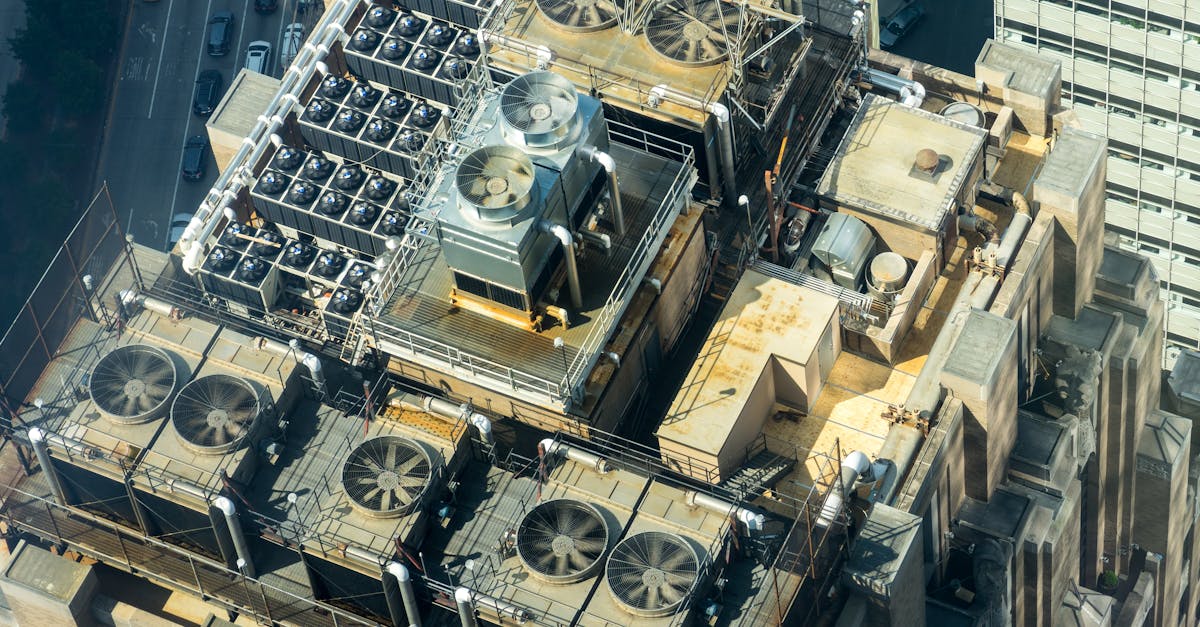
Regular maintenance is essential for any HVAC system, especially in commercial buildings where system efficiency directly impacts operational costs. Implementing a routine maintenance schedule helps ensure that all components function optimally. This includes changing filters, checking refrigerant levels, and inspecting ducts for leaks. Neglecting these tasks can lead to larger issues, resulting in unexpected downtime and costly repairs. Utilizing Commercial HVAC Services can streamline this process, helping businesses maintain their systems more effectively.
In addition to regular servicing, periodic inspections by qualified professionals are crucial. These evaluations allow for the identification of potential problems before they escalate, promoting longevity and reliability in HVAC systems. Technicians can assess performance metrics and make necessary adjustments, ultimately enhancing energy efficiency. Establishing a partnership with a reputable company that offers Commercial HVAC Services can provide peace of mind, knowing that HVAC systems are being monitored and maintained to meet the demands of the commercial environment.
Regular Servicing and Inspections
Regular servicing and inspections play a crucial role in maintaining the efficiency and longevity of HVAC systems in commercial buildings. Scheduling routine check-ups helps identify potential issues before they escalate into costly repairs. Technicians can assess various components of the system, from filters to thermostats, ensuring everything operates smoothly. This proactive approach not only enhances performance but also promotes energy efficiency, resulting in lower utility bills over time.
Engaging professionals for Commercial HVAC Services ensures that technicians are equipped with the necessary expertise and tools for thorough inspections. These skilled professionals can also provide valuable insights on system upgrades or modifications to improve efficiency. Implementing a regular maintenance plan can lead to enhanced indoor air quality and increased comfort for building occupants, showcasing the importance of investing in preventative care for HVAC systems.
Cost Implications
Investing in a commercial HVAC system involves careful consideration of both initial installation costs and ongoing expenses. Businesses often face a significant upfront investment for advanced systems that promise greater efficiency. It is essential to consult professionals for accurate estimates that encompass equipment, labor, and any necessary modifications to existing structures. Commercial HVAC services can provide valuable insight into what options are most feasible within a specific budget, helping to avoid overspending while still ensuring adequate comfort for occupants.
Long-term savings should also factor into the decision-making process. While higher-rated systems may have a steeper initial cost, their increased energy efficiency often leads to reduced utility bills over time. Businesses can benefit from considering the total cost of ownership, which includes maintenance requirements and potential repairs. Choosing a reputable provider of commercial HVAC services can facilitate ongoing support and monitoring, ensuring the system operates efficiently and that any issues are addressed quickly, further optimizing savings.
Budgeting for Initial Installation vs. LongTerm Savings
When selecting an HVAC system for a commercial building, the initial installation costs play a significant role in the decision-making process. These costs can vary widely depending on the type and size of the system, along with the complexity of the installation. Businesses often overlook the importance of budgeting for these upfront expenses. Engaging reputable Commercial HVAC Services can help ensure that proper evaluation and planning take place, ultimately leading to a system that meets both current and future needs.
Long-term savings, driven by energy efficiency and reduced maintenance expenses, should also be a crucial part of your budgeting strategy. Advanced systems often come with higher initial costs but offer significant savings over time through lower utility bills and fewer repairs. It's essential to conduct a cost-benefit analysis to determine the potential return on investment. By leveraging Commercial HVAC Services that specialize in energy-efficient technologies, businesses can make informed decisions that balance initial outlays with future savings.
Smart HVAC Technology
Smart HVAC technology is revolutionizing the way commercial buildings manage temperature and air quality. By integrating advanced automation and monitoring systems, businesses can achieve greater efficiency in energy consumption. These systems use sensors and data analytics to optimize heating and cooling based on occupancy and usage patterns, which can lead to significant reductions in energy costs. Commercial HVAC services are now incorporating these smart solutions to enhance building performance and provide tailored climate control.
Adopting smart technology also simplifies maintenance processes. Automated alerts notify facility managers of potential issues before they escalate, ensuring that HVAC systems operate at peak efficiency. This proactive approach reduces downtime and extends the lifespan of equipment. Commercial HVAC services that leverage smart technology not only improve operational efficiency but also contribute to a healthier indoor environment by maintaining optimal air quality and comfort levels for occupants.
Benefits of Automated Controls
Automated controls in HVAC systems enhance efficiency by regulating temperature and airflow based on real-time data. This technology adjusts settings automatically to maintain ideal indoor conditions while minimizing energy consumption. By integrating smart sensors and controls, businesses can achieve a significant reduction in energy bills, aligning with sustainability goals. These advancements ensure comfort for occupants while reducing the strain on the HVAC system, which can lead to longer equipment lifespan.
Adopting automated controls also streamlines management processes. Building operators can access performance metrics and system alerts remotely, allowing for quicker responses to maintenance issues. This level of insight aids in proactive decision-making and can reduce downtime. With the assistance of Commercial HVAC Services, businesses can implement these technologies effectively, ensuring that their systems are not only functional but also optimized for maximum performance.
FAQS
What factors should I consider when choosing an HVAC system for my commercial building?
When selecting an HVAC system, consider factors such as the size of the building, the type of operations, energy efficiency, maintenance requirements, and budget for both initial installation and long-term costs.
How often should I schedule servicing for my commercial HVAC system?
It is recommended to schedule regular servicing at least twice a year, ideally before the peak heating and cooling seasons, to ensure optimal performance and prevent costly breakdowns.
What are the cost implications of installing a commercial HVAC system?
The cost implications include initial installation expenses, ongoing maintenance costs, and energy consumption. It’s important to compare these costs against potential long-term savings from energy-efficient systems.
What are the advantages of using smart HVAC technology in commercial buildings?
Smart HVAC technology offers benefits such as automated controls, real-time monitoring, energy management, and increased comfort levels for occupants, leading to improved efficiency and cost savings.
Can investing in an energy-efficient HVAC system really save money in the long run?
Yes, while the initial investment may be higher, energy-efficient HVAC systems can lead to significant savings on energy bills over time, reducing overall operational costs and often providing a quicker return on investment.