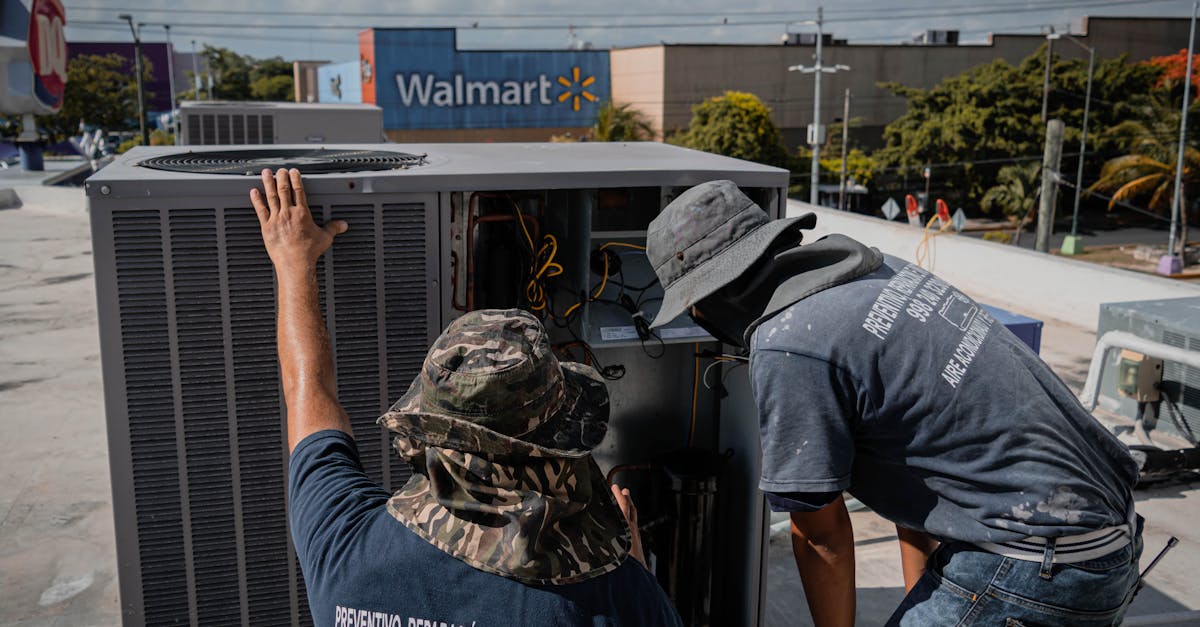
At National HVAC Las Vegas, we specialize in comprehensive heating system installation and repair services tailored to meet the unique needs of our customers. Our team of experienced technicians is dedicated to providing top-notch solutions that ensure your home remains warm and comfortable during the colder months. Whether you're looking to install a new energy-efficient heating system or require prompt repairs for your existing unit, we utilize the latest technology and industry best practices to deliver reliable and effective service. With a commitment to customer satisfaction, we work closely with you to understand your heating needs, ensuring optimal performance and efficiency for your home. Trust National HVAC Las Vegas to keep your heating systems running smoothly and efficiently, no matter the temperature outside.
Energy Efficiency in Heating Systems
Heating systems are essential for maintaining a comfortable indoor climate, and their energy efficiency can significantly impact both utility bills and environmental sustainability. Modern heating technologies are designed to operate more efficiently, with features such as variable speed motors and smart thermostats that optimize energy use. Investing in an energy-efficient heating system not only reduces consumption but also contributes to a decreased carbon footprint, which benefits the environment.
Choosing a system with a high efficiency rating is crucial for long-term savings. The initial investment may be higher, but the returns manifest through lower energy bills and fewer repairs over time. Homeowners should consider the Energy Star label as a reliable indicator of efficiency to ensure they are making a well-informed decision. Understanding the efficiency ratings helps in selecting a system that suits both budgetary and environmental goals.
Understanding Seasonal Energy Efficiency Ratio (SEER)
The Seasonal Energy Efficiency Ratio (SEER) is a crucial metric for evaluating the efficiency of heating systems, particularly heat pumps and air conditioners. It measures the cooling output during a typical cooling season divided by the total energy consumed in watt-hours. A higher SEER rating indicates a more energy-efficient system, which can lead to significant savings on utility bills over time. Understanding SEER helps homeowners make informed decisions about which heating systems to consider for their homes.
When selecting a heating system, it's important to factor in the SEER rating alongside other performance metrics. Many manufacturers provide SEER ratings on their products, giving consumers a clear understanding of expected efficiency. Energy-efficient systems may have a higher initial cost, yet, the long-term savings in energy expenses often justify the upfront investment. Choosing a heating system with a high SEER can contribute to a more sustainable home environment and lower your carbon footprint.
Regular Maintenance for Heating Systems
Regular maintenance plays a vital role in ensuring that heating systems operate efficiently and safely. Routine check-ups can identify potential problems before they escalate into costly repairs. Technicians can inspect various components such as filters, pipes, and thermostats. Cleaning dust and debris from these areas enhances overall system performance. Ensuring parts are well-lubricated reduces friction and wear, contributing to a longer lifespan for the unit.
Scheduled maintenance is not just about fixing issues as they arise; it also promotes energy efficiency. Well-maintained systems consume less energy, resulting in lower utility bills. Regular assessments can lead to minor adjustments that significantly enhance performance. This proactive approach helps in maintaining consistent indoor temperatures and ensures reliable operation during peak usage times, especially in colder months.
Importance of Routine CheckUps and Cleanings
Regular maintenance of heating systems is crucial for ensuring optimal performance and longevity. Over time, dust, dirt, and debris can accumulate within the system, leading to reduced efficiency and potential breakdowns. Routine check-ups allow HVAC professionals to identify and address minor issues before they escalate into costly repairs. This proactive approach not only keeps the system running smoothly but also enhances indoor air quality, providing a healthier environment for occupants.
Scheduled cleanings play a significant role in maintaining energy efficiency. A clean system requires less energy to operate, which translates into lower utility bills for homeowners. Additionally, by regularly servicing the heating system, customers can benefit from improved safety, as potential hazards such as gas leaks or carbon monoxide buildup can be detected and resolved. Overall, investing in routine maintenance ensures a reliable heating system that functions efficiently throughout the colder months.
Cost Factors for Heating System Installation
When considering the installation of a heating system, it's important to evaluate several cost factors that can significantly impact the overall investment. The type of system chosen plays a crucial role, as options such as central heating, heat pumps, or radiant heating vary greatly in price and efficiency. Additionally, factors like the size of the space to be heated and the level of insulation in the home can lead to changes in cost. The complexity of the installation process can also affect expenses, particularly in older homes that may require additional retrofitting to accommodate new equipment.
Another significant cost factor to consider includes labor expenses. Hiring a qualified HVAC contractor is essential to ensure proper installation, which may come with varying rates depending on local market conditions and contractor experience. Moreover, the cost of permits and inspections can add to the overall affordability of the project. Energy efficiency ratings, while initially leading to a higher investment, can offer long-term savings through reduced energy bills, making them a worthy consideration when evaluating total expenses for heating system installation.
Breakdown of Expenses Involved
When considering the installation of a heating system, various expenses come into play. Initial costs primarily include the price of the unit itself, which can vary significantly based on the type and efficiency level chosen. Manufacturers offer models that range from basic to advanced, affecting pricing depending on their features. Additionally, there may be costs associated with necessary accessories, such as thermostats, ductwork, and ventilation systems, which can further increase the total investment.
Labor costs for installation represent another significant component of the overall expense. Hiring a qualified HVAC contractor not only ensures that the installation is done correctly but also often comes with rates that vary based on experience and geographic location. It is advisable to obtain multiple estimates from different contractors to ensure a competitive price. Unexpected expenses, such as modifications to your home’s existing electrical system or repairs to old ductwork, can also arise, so setting aside a budget for contingencies is wise.
FAQS
What should I consider when choosing a heating system for my home?
When selecting a heating system, consider factors such as energy efficiency ratings, the size of your home, your budget, and the type of fuel available in your area. Additionally, assess your specific heating needs and preferences.
How often should I schedule maintenance for my heating system?
It is recommended to schedule maintenance at least once a year, ideally before the heating season begins. This helps ensure your system runs efficiently and can prevent costly repairs down the line.
What is the Seasonal Energy Efficiency Ratio (SEER)?
The Seasonal Energy Efficiency Ratio (SEER) measures the efficiency of cooling systems, but for heating systems, you’ll typically look at the Annual Fuel Utilization Efficiency (AFUE). Both metrics help assess energy consumption and efficiency of the system.
How much does it typically cost to install a heating system?
The cost of installing a heating system can vary widely based on factors such as the type of system, the size of your home, and any additional modifications needed. On average, costs can range from a few thousand to several thousand dollars.
Can I perform maintenance on my heating system myself?
While some minor maintenance tasks, such as changing air filters, can be done by homeowners, it is advisable to hire a professional for comprehensive services to ensure safety and proper functioning of the system.