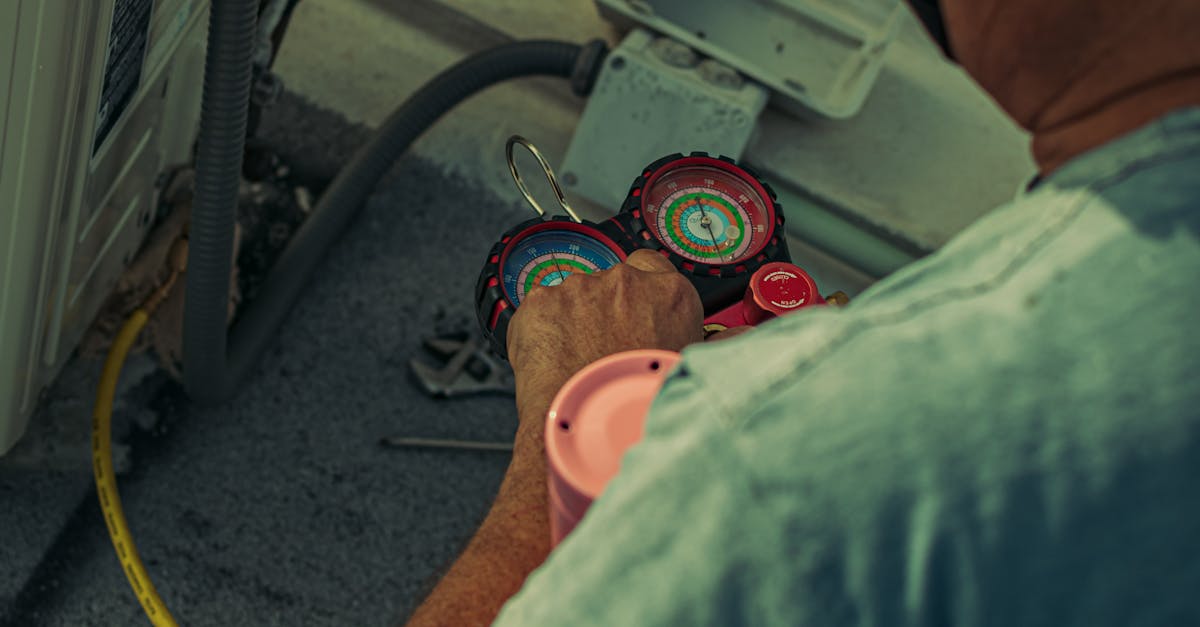
At National HVAC Las Vegas, we specialize in professional air conditioning system installation and repair to ensure your home remains cool and comfortable during the scorching Nevada heat. Our team of skilled technicians is dedicated to delivering high-quality service, whether you're looking to install a new energy-efficient system or need prompt repair for an existing unit. We understand that a properly functioning air conditioning system is essential for your comfort and well-being, which is why we use the latest techniques and equipment to assess and address any issues swiftly. With our commitment to reliability and customer satisfaction, you can trust National HVAC Las Vegas to keep your indoor climate just the way you like it.
Routine Maintenance for Air Conditioning Systems
Regular upkeep of air conditioning systems is vital for ensuring optimal performance. Homeowners should consider scheduling professional inspections at least once a year. During these check-ups, technicians often clean coils, check refrigerant levels, and inspect electrical components. Additionally, changing or cleaning air filters every few months can significantly improve airflow and efficiency.
Maintaining clear drainage lines prevents water buildup and potential damage to the unit. An unobstructed outdoor unit enhances airflow and promotes proper heat exchange. Simple tasks, such as keeping the surrounding area free from debris, contribute to system longevity. Implementing these routine maintenance steps not only boosts performance but can also extend the life of the air conditioning system.
Essential Tasks to Keep Your System Running Smoothly
Regularly checking and replacing your air conditioning system’s filters is crucial for maintaining optimal performance. Clogged or dirty filters restrict airflow, leading to increased energy consumption and decreased efficiency. It’s advisable to inspect filters monthly and replace them every one to three months, depending on usage and the type of filter. Keeping the outdoor unit clean is equally important. Debris, leaves, and dirt can accumulate around the condenser, blocking airflow and causing the unit to work harder than necessary.
Ensuring that the thermostat operates correctly enhances overall system efficiency. Programmed settings should reflect your daily schedule, allowing the system to save energy when you're not at home. Inspecting the ductwork for leaks is another essential maintenance task. Sealing these leaks can prevent cooled air from escaping, allowing your system to maintain the desired temperature without excessive energy expenditure. Regular professional inspections can catch potential issues early, ensuring your air conditioning system remains in peak condition throughout the year.
Energy Efficiency and Air Conditioning
Selecting an energy-efficient air conditioning model can significantly reduce both energy consumption and utility costs. When shopping for a new unit, look for the Seasonal Energy Efficiency Ratio (SEER) rating. Higher ratings indicate greater efficiency, meaning these systems use less electricity to provide the same amount of cooling as lower-rated models. Additionally, consider features like variable-speed compressors and programmable thermostats. These options can optimize performance and enhance comfort while minimizing energy waste.
Installation plays a critical role in maximizing energy efficiency. Proper sizing ensures the unit operates at its best, avoiding the pitfalls of both undersized and oversized systems. An incorrectly sized air conditioner might struggle to maintain the desired temperature or short-cycle, ultimately leading to increased energy use and reduced lifespan. Working with a qualified HVAC professional will help guarantee the system is correctly matched to your space and installed according to best practices. Efficient operation starts with proper care from the very beginning.
How to Choose an EnergyEfficient Model
Selecting an energy-efficient air conditioning model involves considering several key factors. Start with the Seasonal Energy Efficiency Ratio (SEER) rating, which measures the cooling output divided by the energy consumption over a season. Higher SEER ratings indicate better efficiency. Look for units with a SEER rating of at least 14 to maximize energy savings while ensuring adequate cooling performance.
Additional features can also contribute to energy efficiency. Inverter technology allows units to adjust their cooling capacity based on demand, reducing energy usage. Smart thermostats provide added control, enabling you to optimize settings remotely. Additionally, consider the unit's size; an oversized or undersized system can lead to inefficiencies and increased energy costs. Ensuring proper installation and maintenance enhances the overall efficiency and lifespan of your cooling system.
Troubleshooting Common Air Conditioning Issues
Air conditioning systems can face several common issues that may disrupt their performance. One frequent problem is a lack of cool air, which can be caused by a dirty air filter, low refrigerant levels, or malfunctioning components. Regularly checking and replacing the air filter can help improve airflow and efficiency. If the issue persists, it's essential to consult an HVAC professional to inspect the refrigerant levels and ensure all components are functioning correctly.
Another common issue is unusual noises during operation. Sounds like banging, clanking, or hissing can indicate loose parts, electrical problems, or refrigerant leaks. Identifying the source of the noise is crucial for early intervention. Ignoring such signs may lead to more significant damage and costly repairs. Keeping an ear out for these sounds and scheduling regular maintenance checks can mitigate potential issues and enhance the system's longevity.
Quick Fixes for Everyday Problems
Air conditioning units can encounter various minor issues that are often manageable without professional assistance. One common problem is insufficient cooling. Before calling a technician, check the thermostat settings and replace the air filters if they are dirty or clogged. Dirty filters can restrict airflow, leading to poor cooling performance. Additionally, ensure that the outdoor condenser unit is free from debris such as leaves or dirt, as this can also impact its efficiency.
Another frequent issue involves unusual noises during operation. If you hear rattling or buzzing sounds, it may indicate loose components or debris within the unit. Tightening any loose screws and checking for foreign objects can often resolve these issues. If the noise persists, inspecting the fan blades for damage should also be a priority, as damaged blades can create further complications. Regular attention to these quick fixes can help maintain the performance and longevity of your air conditioning system.
FAQS
How often should I perform routine maintenance on my air conditioning system?
It is recommended to perform routine maintenance at least once a year, ideally before the cooling season begins, to ensure your system runs efficiently.
What are some essential tasks for maintaining my air conditioning system?
Essential tasks include cleaning or replacing air filters, checking the thermostat settings, cleaning the outdoor unit, and inspecting ductwork for leaks.
What should I consider when choosing an energy-efficient air conditioning model?
Look for units with a high SEER (Seasonal Energy Efficiency Ratio) rating, check for ENERGY STAR certification, and consider the size of the unit in relation to your space for optimal efficiency.
What are some common air conditioning issues I might encounter?
Common issues include insufficient cooling, unusual noises, leaks, and frequent cycling on and off.
Can I troubleshoot air conditioning problems myself?
Yes, many minor issues can be checked and resolved by homeowners, such as replacing air filters or adjusting thermostat settings. However, for more serious problems, it's recommended to consult a professional technician.