Cost Factors
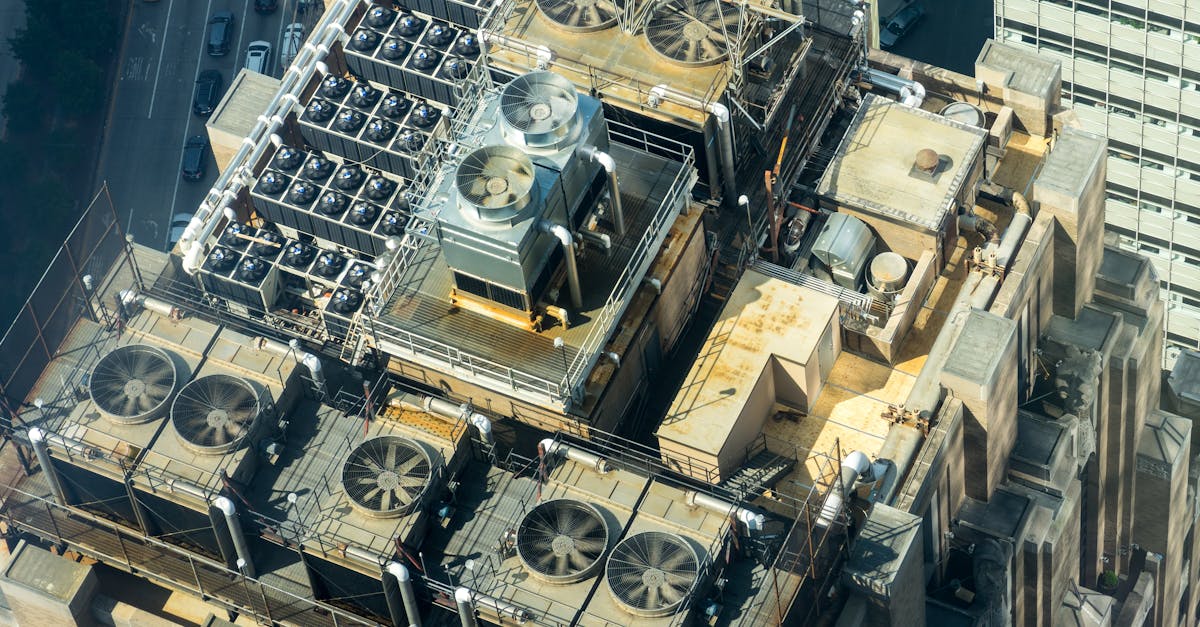
The cost factors associated with commercial HVAC systems differ significantly from those of residential units. Commercial HVAC services require larger equipment to accommodate greater square footage and higher occupancy levels. The upfront investment tends to be higher due to the complexity and capacity of these systems. Additionally, installation costs can vary based on the specific requirements of the building, including ductwork, electrical modifications, and zoning controls.
Long-term expenses for commercial HVAC services also play a vital role in overall budgeting. Maintenance costs can be higher, as these systems often face increased wear and tear due to continuous operation throughout business hours. Energy efficiency is another crucial consideration. While initial costs may be steep, investing in high-efficiency systems can lead to substantial savings over time through reduced utility bills and lower environmental impact.
Initial Investment and LongTerm Expenses
When comparing commercial and residential HVAC systems, the initial investment often varies significantly. Commercial HVAC services typically require a larger upfront cost due to the complexity and scale of the systems involved. This includes equipment designed to handle greater loads and the installation of ductwork suitable for larger spaces. Additionally, commercial units tend to be more robust, requiring higher-quality materials, which further increases initial expenses.
Long-term expenses also diverge between the two settings. Commercial HVAC systems usually experience higher operating costs due to their size and the continuous demand for regulation. Maintenance plays a crucial role in these long-term expenses; commercial systems require regular upkeep to ensure efficiency and longevity. Over time, these costs can accumulate, affecting overall budget considerations for businesses compared to residential systems.
System Design and Layout
The design and layout of HVAC systems significantly differ between commercial and residential applications. Commercial spaces often require more complex configurations due to their size and functionality. Multiple zones may need independent temperature controls to accommodate varying usage patterns throughout the day. Additionally, commercial HVAC services typically focus on maximizing efficiency in larger areas while considering building codes and local regulations, which can influence the system's design.
In contrast, residential HVAC systems are usually simpler, designed for smaller spaces with fewer zoning requirements. Home layouts often allow for a straightforward approach to heating and cooling, making standard units more feasible. Customization in commercial systems becomes essential to address diverse building types, ensuring that each area receives adequate airflow and temperature regulation. This tailored approach in commercial HVAC services often involves more sophisticated technology, enabling precise control over the environment tailored to the specific needs of the business operating within the space.
Customization for Different Building Types
Customization in commercial HVAC systems is essential due to the diverse nature of building types and their specific requirements. Each facility, whether it's an office, warehouse, or retail space, has unique heating, ventilation, and air conditioning needs based on factors such as occupancy levels, layout, and local climate. A one-size-fits-all approach often leads to inefficiencies, which can drive up operating costs and reduce comfort for occupants. Tailoring HVAC solutions involves considering these variables to design systems that optimize performance and energy use.
Commercial HVAC services play a crucial role in this customization process. Professionals assess the individual characteristics of a building, including its size, purpose, and even occupancy schedules, to create effective heating and cooling strategies. Advanced technology and specialized equipment allow these systems to operate efficiently, accommodating varying load demands throughout the day. By focusing on the specific needs of different business environments, HVAC providers can enhance both comfort and air quality while minimizing energy consumption.
Air Quality Management
Air quality management is a critical aspect of both commercial and residential HVAC systems, but the approaches can differ significantly. In commercial settings, various factors influence air quality, including the size of the building and the number of occupants. Businesses must comply with stricter air quality standards, often requiring advanced filtration systems. Commercial HVAC services play a vital role in maintaining these standards and ensuring that the ventilation systems effectively remove contaminants from the air.
Additionally, commercial HVAC systems often incorporate more sophisticated ventilation techniques compared to residential systems. These techniques aim to not only provide comfortable temperatures but also to facilitate effective airflow that minimizes the risk of airborne diseases. Regular maintenance and upgrades to these systems can help improve air quality and operational efficiency, making it crucial for commercial property owners to invest in professional HVAC services.
Filtration and Ventilation Variances
The filtration and ventilation needs of commercial spaces differ significantly from those in residential environments. In commercial settings, air quality must meet specific regulatory standards due to higher occupancy levels and varied usage patterns. This leads to a greater demand for advanced filtration systems that can capture larger volumes of contaminants and particles, ensuring a healthier indoor environment. Commercial HVAC Services often install multi-stage filtration systems capable of handling these rigorous requirements, offering more efficient air purification.
Ventilation in commercial buildings also focuses on more complex layouts and larger areas, necessitating larger ductwork and more powerful fans to efficiently circulate air. The design prioritizes consistency in airflow throughout various zones, accommodating diverse activities such as office work, manufacturing, or retail. This complexity calls for specialized expertise in commercial HVAC Services, allowing for tailored solutions that enhance both comfort and energy efficiency. Advanced control systems also play a crucial role in balancing heating, cooling, and ventilation needs across expansive spaces.
FAQS
What are the main differences between commercial and residential HVAC systems?
The main differences lie in size, capacity, system design, and complexity. Commercial HVAC systems are typically larger, designed for more extensive spaces, and often require customized solutions based on the building's specific needs.
Are the costs associated with commercial HVAC systems higher than residential systems?
Yes, commercial HVAC systems generally involve higher initial investments due to their size and complexity, as well as ongoing long-term expenses for maintenance and energy consumption.
How does system design vary between commercial and residential HVAC?
Commercial HVAC systems are designed to accommodate larger spaces and may involve multiple zones or units, while residential systems are usually simpler and designed for single-family homes with straightforward layouts.
Is air quality management more important in commercial HVAC systems?
Yes, air quality management is often more critical in commercial settings due to larger occupancy levels and the need to maintain a healthy environment for employees and customers, leading to more advanced filtration and ventilation systems.
Can residential HVAC systems be used in commercial applications?
While some components of residential HVAC systems may be repurposed, they are generally not suitable for commercial applications due to differences in capacity, efficiency, and regulatory requirements. It's best to use systems specifically designed for commercial use.