PostInstallation Tasks
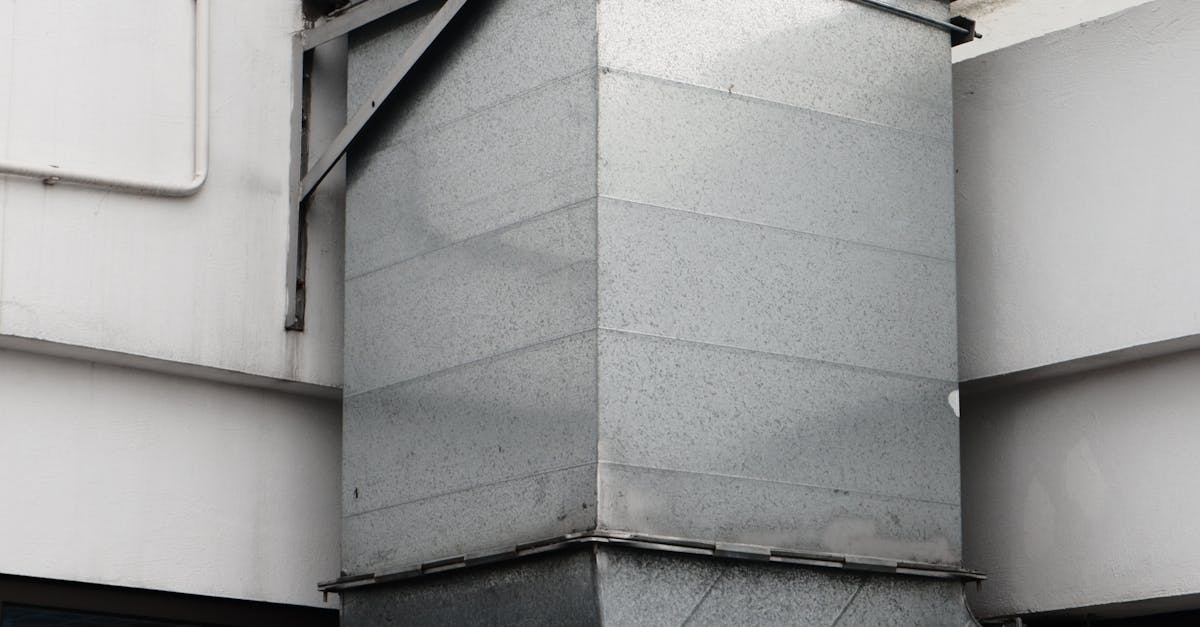
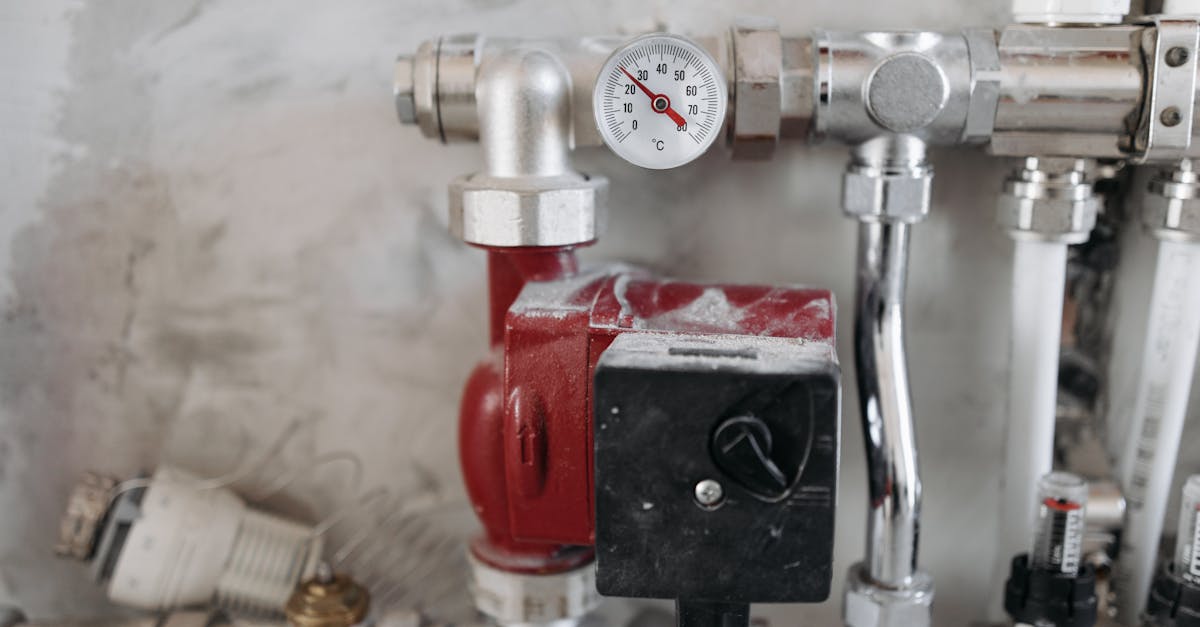
After the installation of an air conditioning unit, several post-installation tasks are necessary to ensure optimal performance. This includes checking the refrigerant levels, inspecting ductwork for leaks, and ensuring that all electrical components are functioning properly. Technicians may also perform a thorough inspection of the unit's placement, checking for obstructions and ensuring proper airflow. These steps are critical in preventing future issues and maximizing the efficiency of the system.
Once the initial setup is complete, system testing and calibration are essential. This involves running the air conditioning unit to assess its cooling capacity and efficiency. Any irregularities can be identified and resolved immediately, which is a key aspect of air conditioning system installation and repair. Proper calibration ensures that the system operates within its intended specifications, providing reliable and effective cooling for the space.
System Testing and Calibration
After completing the installation of an air conditioning system, testing and calibration are essential steps that ensure optimal performance. Technicians examine the system's functionality, check refrigerant levels, and assess airflow to confirm everything operates as intended. This process often includes running the system through its various modes and monitoring its response. Any discrepancies detected during this phase will prompt adjustments to the system settings.
Calibration of the air conditioning unit plays a vital role in enhancing energy efficiency and comfort. Properly calibrating the thermostat and adjusting the duct system can lead to improved temperature control and reduced energy consumption. Following the initial testing, technicians make necessary modifications to further fine-tune the system. These post-installation steps are crucial aspects of Air Conditioning System Installation and Repair that contribute significantly to the longevity of the unit and user satisfaction.
Common Delays During Installation
Delays can arise from various factors during the Air Conditioning System Installation and Repair process. The complexity of the installation site can lead to unexpected challenges, such as outdated ductwork or lack of adequate electrical connections. These issues often require additional labor and time to address, prolonging the overall installation duration.
Another common delay can stem from the availability of equipment and materials. If specific parts are backordered or not readily available, technicians may need to pause the installation until everything is on hand. This can disrupt the schedule significantly, especially if the weather is uncooperative, making it difficult to complete the installation in a timely manner.
Issues That Can Extend Installation Time
Several factors can contribute to delays during the air conditioning system installation process. The age of the existing ductwork or electrical systems may require updates or modifications to accommodate the new unit. If significant changes are necessary, this can extend the overall timeline as contractors must ensure everything meets current building codes and safety standards.
Unexpected challenges may arise during installation, such as difficulties accessing the installation site or encountering hidden issues, like mold or structural damage. These issues can lead to additional repairs that must be addressed before the air conditioning system can be fully installed. Careful assessment and planning are crucial to minimize these potential delays during air conditioning system installation and repair.
Seasonal Variations in Installation Duration
Seasonal variations significantly impact the duration of Air Conditioning System Installation and Repair. During peak summer months, demand for installation services typically surges as homeowners seek to prepare their residences for the heat. This heightened demand can lead to longer wait times for both materials and skilled technicians, potentially prolonging the overall installation process.
In contrast, the offseason, particularly late fall and winter, often sees a decrease in demand. Contractors may have more availability, which can expedite the installation timeline. However, even in these seasons, unexpected delays can arise, such as poor weather or supply chain issues that affect delivery timelines. Some homeowners may also choose to schedule installations during these quieter months to secure better rates.
Impact of Weather Conditions
Weather conditions can significantly influence the duration of an air conditioning system installation. Extreme temperatures, whether unusually high or low, can hinder the installation process. For example, sweltering heat may cause discomfort for the installation crew, leading to slower work rates and frequent breaks. On the other hand, rainy or snowy conditions can make it difficult to access the installation site, delaying the entire process.
In addition to temperature and precipitation, wind can also pose challenges during installation. Strong winds may not only create hazardous working environments but also complicate the handling of equipment and materials. It’s essential for both homeowners and contractors to consider these weather-related factors when scheduling the installation of an air conditioning system. Awareness of potential delays helps in planning for timely completion of air conditioning system installation and repair.
FAQS
How long does a typical AC installation take?
A typical air conditioning installation can take anywhere from 4 to 8 hours, depending on the complexity of the system and the specific requirements of your home.
What factors can affect the installation time of an AC unit?
Factors that can affect installation time include the type of system being installed, the layout of your home, existing ductwork, and any necessary modifications or repairs.
Are there any common delays that may extend the installation process?
Yes, common delays can include issues such as unexpected structural problems, weather conditions, or delays in obtaining necessary permits.
How does the season impact the duration of AC installation?
During peak seasons, such as summer, installation times may be longer due to higher demand and scheduling availability, while off-peak seasons may allow for quicker installations.
What should I do to prepare for my AC installation?
To prepare for your AC installation, ensure that the installation area is clear and accessible, and discuss any specific requirements or concerns with your installer beforehand.