Environmental Factors
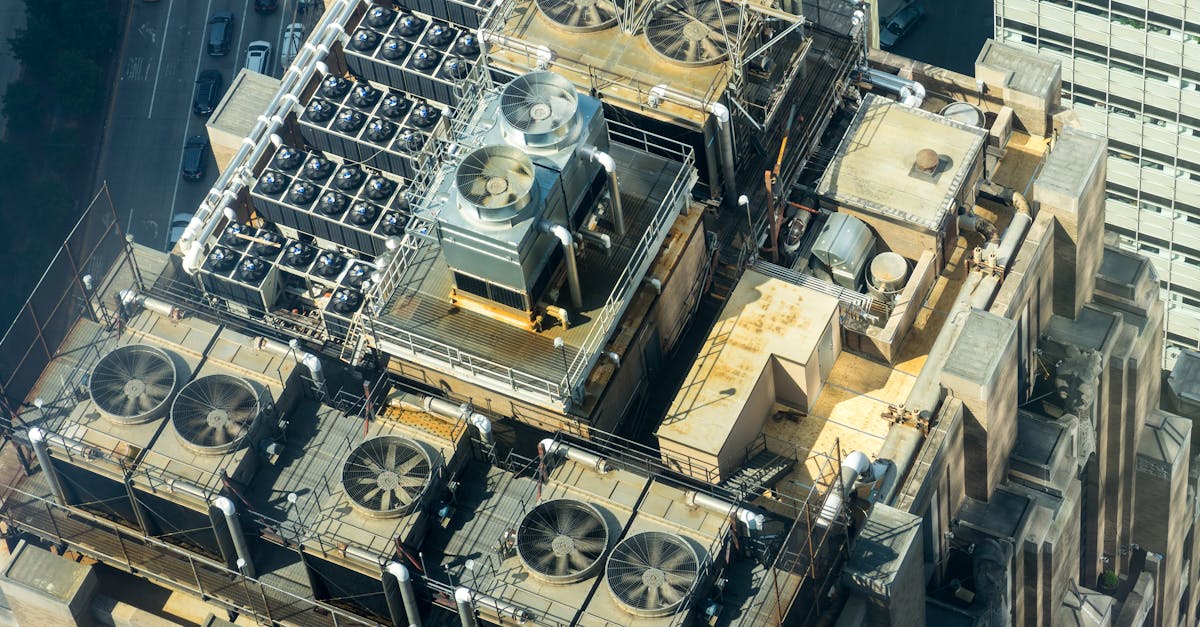
Environmental factors play a significant role in determining the lifespan of a commercial HVAC unit. Elements such as temperature fluctuations, humidity levels, and exposure to pollutants can all impact the efficiency and durability of the system. For instance, units in coastal areas may face corrosion from saltwater, while those in humid environments could struggle with moisture-related issues. Proper assessments of the local climate and environmental conditions are essential when selecting and maintaining an HVAC system.
Routine maintenance, performed by experienced professionals through Commercial HVAC Services, can mitigate the effects of these environmental factors. Regular inspections and timely repairs are crucial for addressing wear and tear caused by external conditions. By ensuring that the unit operates optimally within its specific environment, business owners can extend the life of their HVAC systems and improve energy efficiency while reducing operational costs.
How Climate Affects HVAC Performance
Climate significantly impacts the performance and longevity of HVAC systems. Extreme temperatures, whether hot or cold, place added strain on units, leading to potential malfunctions or decreased efficiency. Regions that experience high humidity can also exacerbate wear on components as moisture affects both the indoor air quality and the mechanical systems. Regular maintenance becomes crucial in these environments to ensure optimal performance and prevent costly repairs.
Companies offering Commercial HVAC Services play a vital role in maintaining equipment, especially in areas with challenging weather conditions. These professionals help identify how seasonal changes affect HVAC operations. By providing scheduled inspections and necessary adjustments, they ensure that systems operate efficiently regardless of environmental stresses. This proactive approach not only enhances unit lifespan but also contributes to energy savings over time.
Common Issues and Repairs
Commercial HVAC services often encounter a variety of common issues that can affect the efficiency and longevity of a system. Frequent problems include refrigerant leaks, thermostat malfunctions, and airflow restrictions caused by dirty filters or ductwork. Addressing these issues promptly is crucial to prevent further damage and costly repairs. Regular maintenance checks can help identify potential problems before they escalate, ensuring smoother operation throughout the year.
In addition to routine maintenance, repairs may be necessary when components such as compressors or fans fail. These breakdowns can lead to increased energy bills and uncomfortable working conditions. Engaging professional commercial HVAC services for thorough troubleshooting can pinpoint the source of the problem. Timely repairs not only restore functionality but also contribute to extending the lifespan of the unit, allowing businesses to maximize their investment in heating and cooling systems.
Troubleshooting for Extended Use
Regular troubleshooting can significantly extend the life of a commercial HVAC unit. Routine checks for issues like inadequate airflow, unusual noises, or inconsistent temperatures are essential. These symptoms often indicate underlying problems that can become serious if left unaddressed. Ensuring that air filters are cleaned or replaced regularly helps maintain optimal airflow and energy efficiency.
Additionally, it’s beneficial to engage with professionals through Commercial HVAC Services to conduct comprehensive inspections. Experts can identify potential weaknesses in the system and recommend necessary maintenance. Keeping up with seasonal servicing not only enhances performance but also provides a proactive approach to avoid costly repairs in the long run. Prioritizing these practices can lead to a more reliable HVAC system that supports workplace comfort effectively.
Technological Advancements
Technological advancements have significantly enhanced the performance and durability of commercial HVAC systems. Innovations such as variable speed fans, smart thermostats, and advanced filtration options contribute to energy efficiency and more precise climate control. These features not only improve comfort but also reduce the wear and tear on equipment, which can lead to a longer lifespan for HVAC units. Regular upgrades to more energy-efficient models are becoming increasingly common, partly due to rising energy costs and environmental concerns.
Commercial HVAC services have adapted to these advancements by offering comprehensive maintenance plans that focus on the latest technologies. Technicians are now trained to handle sophisticated systems that include IoT integration and predictive maintenance capabilities. This proactive approach helps identify potential issues before they escalate, ensuring that systems remain operational and efficient over a longer period. With the right technology in place, businesses can maximize their investments and minimize unexpected downtime.
Innovations in HVAC Longevity
Recent technological advancements have significantly influenced the longevity of commercial HVAC units. Manufacturers now prioritize the development of energy-efficient components that minimize wear and tear. These innovations include improved compressors and high-efficiency filters that enhance operational performance while reducing the frequency of necessary maintenance. Regular updates to design and materials also play a crucial role in extending the lifespan of these systems.
In addition to enhancements in equipment, commercial HVAC services have evolved to incorporate predictive maintenance techniques. These services utilize advanced monitoring systems capable of identifying potential issues before they escalate. By employing IoT technology and data analytics, HVAC professionals can provide tailored recommendations for upkeep. This proactive approach ensures that systems operate optimally and last longer, ultimately offering a better return on investment for businesses.
FAQS
What is the average lifespan of a commercial HVAC unit?
The average lifespan of a commercial HVAC unit is typically between 15 to 25 years, depending on factors such as maintenance, usage, and environmental conditions.
What environmental factors can affect the lifespan of an HVAC unit?
Environmental factors such as extreme temperatures, humidity levels, air quality, and exposure to pollutants can significantly impact the performance and longevity of an HVAC system.
How can regular maintenance extend the life of a commercial HVAC system?
Regular maintenance, including filter changes, cleaning coils, and inspecting components, helps ensure the system operates efficiently, reduces wear and tear, and can ultimately extend its lifespan.
What are some common issues that can shorten the lifespan of an HVAC unit?
Common issues include refrigerant leaks, electrical problems, poor installation, and lack of maintenance. These problems can lead to increased stress on the system and potential early failure.
Are there any recent technological advancements that improve HVAC longevity?
Yes, recent advancements such as smart thermostats, variable-speed motors, and advanced filtration systems enhance energy efficiency and reduce strain on the HVAC unit, contributing to longer lifespans.