Examining Ductwork
Ductwork plays a crucial role in any home heating system. It is responsible for distributing warm air throughout different areas of the house. When evaluating your ductwork, start by visually inspecting it for signs of damage or disconnections. Look for dust accumulation or debris, which can indicate blockages. Proper insulation around the ducts can also enhance efficiency by reducing heat loss.
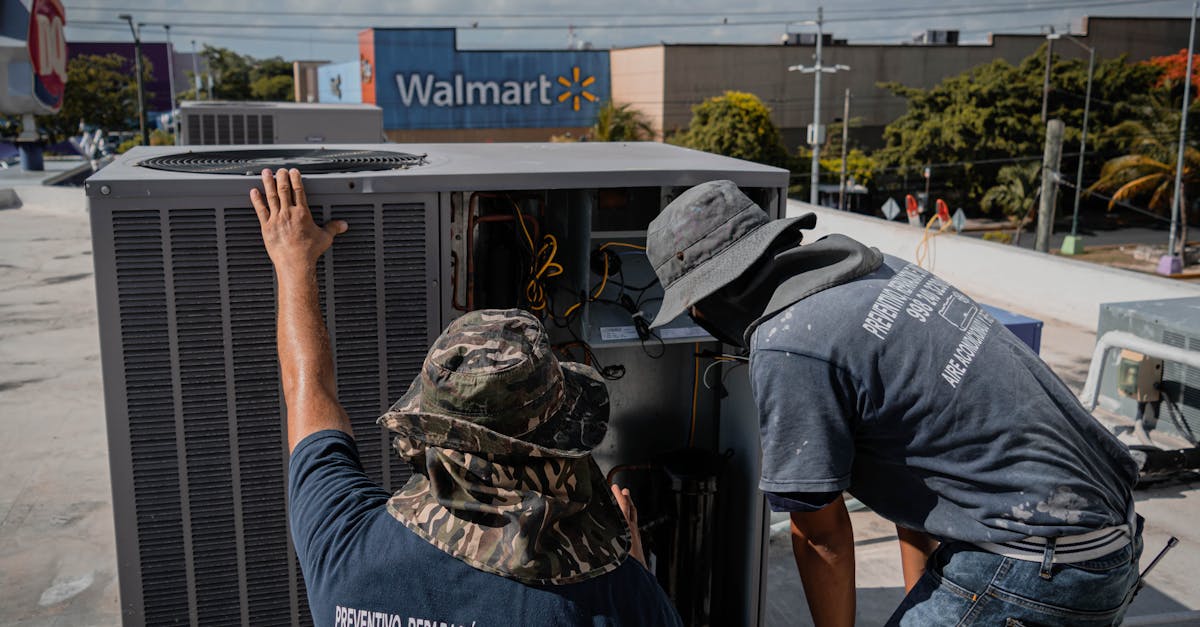
In addition to visual checks, consider conducting a simple smoke test. This involves using a stick of incense near the ducts to identify any leaks, as the smoke will be drawn into any gaps present. If you notice substantial issues, it is wise to consult professionals who specialize in Heating System Installation and Repair to ensure that the ducts are restored to optimal functioning condition. Regular maintenance can prevent significant repairs down the line.
Detecting Leaks and Blockages
Detecting leaks and blockages in your ductwork is essential for maintaining an efficient heating system. Start by inspecting visible sections of the ducts for any signs of wear, damage, or disconnections. Use a flashlight to look for areas where air may be escaping. Pay attention to joints and seams, as these are common spots for leaks. If you hear whistling sounds or notice uneven heating throughout your home, these may indicate specific locations that require further examination.
Additionally, consider checking for blockages caused by dust buildup, debris, or even nesting animals. Routine maintenance plays a crucial role in ensuring your ducts remain clear and unobstructed. A thorough inspection during Heating System Installation and Repair can help identify these issues before they escalate. Regular cleaning or professional servicing can keep your heating system running smoothly and effectively, providing consistent warmth throughout your living spaces.
Assessing Radiant Heating
Radiant heating systems provide efficient warmth by distributing heat through floors, walls, or ceilings. To assess the effectiveness of your radiant heating, begin by checking the thermostat settings and making sure they are calibrated correctly. It's also important to inspect the heat distribution, as cold spots may indicate problems with the tubing or electric heating mats. Sometimes air can become trapped in the system, preventing the efficient transfer of heat. Bleeding the system can help in eliminating trapped air, ensuring maximum warmth in your spaces.
Regular maintenance enhances the lifespan and efficiency of your radiant heating system. Inspecting the components for signs of wear or damage is essential. Ensure that any necessary repairs are addressed promptly to avoid further issues down the line. If you're unfamiliar with the specifics of radiant heating systems, consulting a professional for Heating System Installation and Repair can be beneficial. They can provide insights on potential upgrades or recommend proper servicing to keep the system running smoothly for years to come.
Evaluating Radiator Functionality
Radiators play a crucial role in maintaining a comfortable temperature throughout your home. To assess their functionality, start by checking for any signs of leaks or corrosion on the radiator surface. Cold spots may indicate trapped air within, which can be resolved by bleeding the radiator. This process releases the built-up air and allows hot water to flow freely, enhancing efficiency. Inspecting the valves of each radiator is also important, as any malfunction can affect heat distribution.
In addition to physical checks, consider the overall performance of your heating system. If some radiators are consistently lukewarm while others are hot, this discrepancy could point to larger issues within your heating system installation and repair. Ensure that the system is balanced to provide even heating throughout the space. Regularly scheduled maintenance can help identify potential problems before they escalate, ensuring that your heating system operates at peak performance.
Professional Maintenance
Regular professional maintenance is crucial for ensuring your heating system operates efficiently and effectively. A technician can perform routine inspections and tune-ups to identify any potential issues before they escalate. This proactive approach helps in prolonging the lifespan of your equipment and can also enhance energy efficiency, reducing overall heating costs.
In addition to routine checks, professional help is often necessary for specific repairs or more complex issues that arise over time. Technicians are equipped with the knowledge and experience to handle various challenges that can occur with heating systems. Consulting a professional for Heating System Installation and Repair guarantees that you receive quality service tailored to your home's needs.
When to Call a Technician
Recognizing the right time to bring in a technician can make a significant difference in your heating system's efficiency and longevity. If you notice unusual sounds, fluctuating temperatures, or a system that fails to heat your home adequately, it may indicate underlying issues. An experienced professional can diagnose problems that are not easily visible, giving you confidence in the safety and functionality of your system.
Consulting with a technician is also essential when routine maintenance goes beyond your comfort level or understanding. Tasks such as complete system inspections or complex repairs are best left to trained experts. Investing in Heating System Installation and Repair services can prevent minor issues from escalating into costly replacements or extensive damage, ensuring your home remains warm and comfortable during colder months.
FAQS
What are the common signs that my home heating system needs repair?
Common signs include irregular heating, strange noises coming from the system, high energy bills, or if the system frequently cycles on and off without reaching the desired temperature.
How can I detect leaks in my ductwork?
You can detect leaks by checking for visible gaps or holes in the ductwork, feeling for drafts around the ducts, or using smoke or incense sticks to see if the smoke gets pulled into any openings.
What should I do if my radiator is not heating properly?
First, check to ensure the radiator valve is open. If it’s still not heating, bleed the radiator to release trapped air, and inspect for any blockages or leaks that may require further attention.
How often should I have professional maintenance performed on my heating system?
It is recommended to have professional maintenance performed at least once a year, ideally before the heating season begins, to ensure optimal performance and to catch any issues early.
When is it best to call a technician for heating issues?
You should call a technician if you notice persistent problems that you are unable to fix yourself, such as strange noises, odors, or a complete system failure. Additionally, if you are unsure about performing repairs, it's safer to consult a professional.